
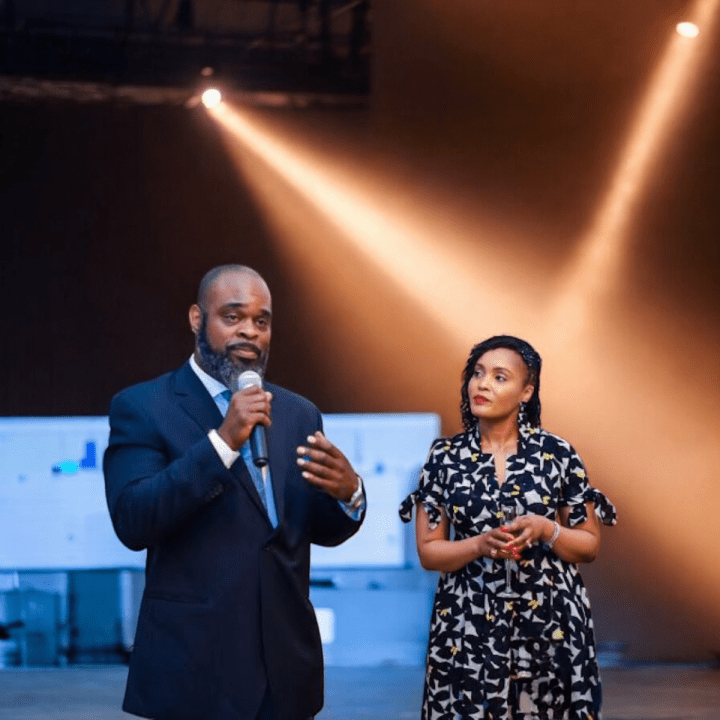
Leaders, we need an honest conversation about visibility and value, particularly for those who are minority stakeholders in their industries.
We are at the tail end of Black History Month and the invitations to keynote/panel or serve Wachira Wines at events, after generous acknowledgments of our achievements and public presence, have been at an all-time high! The proposals often include these exchanges: deliver a keynote or sit on a panel or serve a wine pairing, as “exposure to new customers”. Always polite. Always complimentary. Always a value tradeoff framed as benevolence.
This pattern is pervasive.
Here is the nuance we often avoid. Visibility does carry strategic value when you are underrepresented in a market. For minority leaders, access to platforms can accelerate credibility, normalize presence, and expand networks that have historically been closed. In early or transitional phases, visibility can function as market entry infrastructure.
But infrastructure is not a business model.
Too often, institutions leverage this asymmetry. They recognize that underrepresented experts benefit from visibility, then structure engagements that convert that need into uncompensated labor. What is framed as opportunity becomes extraction.
Exposure may open the door. It does not sustain the enterprise behind the person walking through it.
If you have built substantive capability, you must transition from visibility accumulation to value capture. Markets will applaud your presence while discounting your pricing power.
Applause does not finance operations.
Representation alone does not fund innovation.
Symbolic inclusion does not build durable institutions.
Executives and institutional leaders must model a more mature equilibrium. When you compensate underrepresented experts fairly, you do more than close a transactional loop, you correct structural imbalances. You signal that inclusion is not performative, that expertise is not conditional on identity, and that partnership includes economic participation. That signal reshapes markets.
For leaders developing talent, this distinction is equally critical when we consider mentoring versus sponsoring.
- Mentoring builds capability. It transfers knowledge, judgment, and confidence, essential for those navigating systems not designed with them in mind.
- Sponsoring builds access. It uses positional authority to place individuals into visible, decision-shaping, compensated roles.
Underrepresented leaders often receive abundant mentoring and insufficient sponsorship. Advice without access creates preparation without mobility. True sponsorship redistributes opportunity and with it, economic agency.
Here are three imperatives FOR executives:
- Be honest about the role of visibility. Use it intentionally as a bridge, not a substitute for compensation. If you invite expertise, fund it.
- Sponsor beyond symbolism. Ensure underrepresented talent is not only seen but paid, promoted, and positioned where decisions are made.
- Evolve from representation to participation economics. Influence, impact, and income must scale together if institutions are to become genuinely inclusive.
Leadership courage sometimes means declining invitations that offer stage time but no substance. It also means discerning when visibility is strategically useful and when it is simply unpaid labor rebranded. Professional gratitude and economic clarity can coexist.
If we seek resilient markets, equitable partnerships, and institutions that endure, we must stop treating exposure as currency or generosity and start recognizing value as the asset it is.
WANT TO JOIN THE DISCUSSION? Let’s Chat