
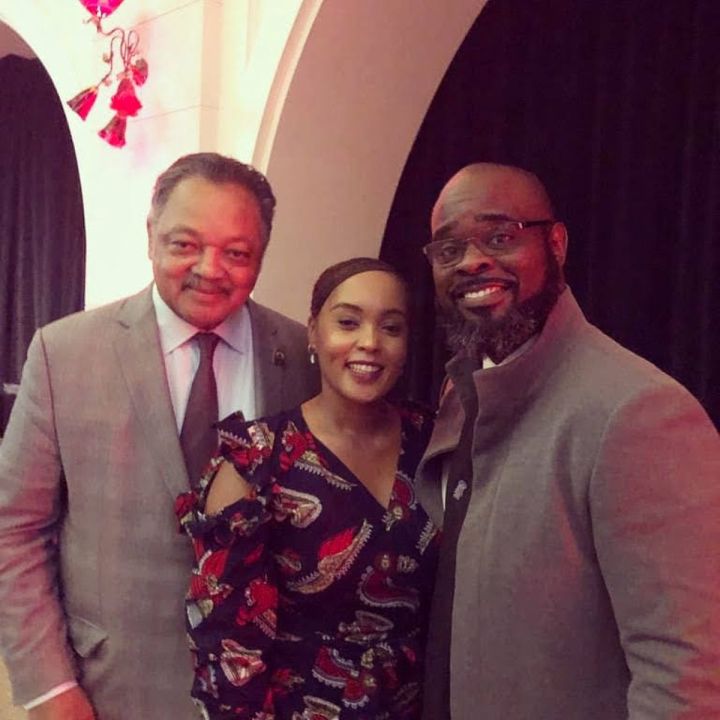
The world has lost Rev. Jesse Jackson, a preacher, organizer, and architect of dignity whose voice reshaped what leadership sounds like when it speaks for humanity. Many today may know the name without fully appreciating the scale of his impact. To me, he was not only a civil rights figure but a systems thinker who understood that dignity is infrastructure, that when people believe “I am somebody,” they become stakeholders rather than spectators. He shifted the conversation from access alone to worth, from presence to power. That lesson is profoundly relevant to anyone building organizations in the 21st century. His powerful refrain, “I am somebody”, is not merely a moral statement. It is a strategic doctrine, a direct lesson about the human currency at the heart of sustainable success: identity.
Identity is the most undervalued asset on any balance sheet.
“I am somebody” is a declaration of visibility, worth, and agency. In organizations, identity silently governs who is heard, who is trusted with opportunity, and who advances. When leaders align identity with value, performance compounds: people who feel seen contribute beyond their job descriptions; cultures become resilient; innovation accelerates because authenticity replaces fear. In an era where talent, capital, and customers are values-driven, identity is no longer a social conversation, it is a competitiveness conversation.
For entrepreneurs, Rev. Jackson’s message is a design principle. The products that scale fastest are those that recognize people as they are, honoring lived experience, solving real constraints, and widening access. The teams that outperform are those where every builder knows they matter. Psychological safety is not a perk; it is the infrastructure of invention.
Leadership that operationalizes dignity requires discipline:
• Listen past hierarchy. Insight often resides at the edges of power. Build mechanisms where truth can travel upward unedited then act decisively.
• Engineer equity into systems. Culture follows process. Hiring, promotion pathways, capital allocation, and product testing must be intentionally constructed to expand participation.
• Measure what truly matters. Retention, advancement velocity, product adoption across segments, and trust indicators reveal whether identity is being honored or merely discussed.
The entrepreneurs who internalize this early avoid expensive cultural repairs later. The executives who lead this way build companies that outlast market cycles because they are anchored in human trust.
Rev. Jackson taught that identity is not a sentiment, it is a force multiplier. When people are affirmed as somebody, they contribute discretionary intelligence, not just labor. They protect the institution because they feel it also protects them.
And so, as we reflect on his legacy, the challenge to today’s executives and founders is clear: architect organizations where identity is not negotiated but assumed, where every person can say “I am somebody” and see evidence of it in how decisions are made.
That is how you build enterprises that perform, cultures that endure, and futures that scale with humanity at the center.
LET’S CHAT: Join our conversations