
The most important lesson I’ve learned about strategy didn’t come from a boardroom.
It came standing in our winery during harvest.
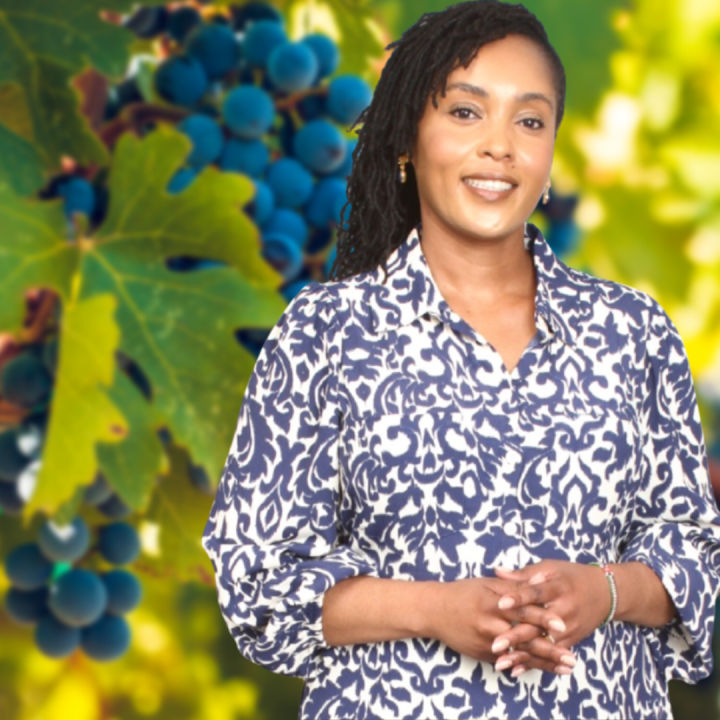
I was looking at the deliveries from our latest grape crush. From a distance, the juice looked remarkably familiar. The fruit came from many of the same vineyards that we had sourced award-winning grapes from before. In some cases, it was likely harvested from the very same rows. The AVAs hadn’t changed. The growers hadn’t changed.
Everything about it invited confidence.
For a brief moment, it was tempting to believe that if we simply repeated last year’s process, we’d produce the same result.
But winemaking has a way of humbling assumptions.
Before a single barrel or tank is filled, we begin asking questions. We measure sugar levels. We assess acidity. We evaluate ripeness. We taste continuously. Every decision is informed by what this harvest is telling us not by what last year’s harvest accomplished.
Because every vintage is a new system.
It carries the fingerprints of a different growing season, different weather patterns, different environmental conditions, and different variables that cannot be seen from across the crush pad.
That realization has stayed with me.
Whether I was leading quality improvement in healthcare, building entrepreneurial ventures, or making wine, I’ve discovered the same principle over and over again:
The most dangerous assumptions are the ones that feel familiar.
Which is how I often find myself thinking about organizations.
Leaders invest enormous effort into developing strategy. They gather data. They align teams. They define priorities. They create detailed execution plans.
All of that work is valuable.
But strategy is still a theory.
It is our best prediction of how customers, markets, competitors, technology, regulations, and employees are likely to respond.
The challenge is that the world doesn’t pause while we’re executing the plan.
I’ve watched consumer behavior shift almost overnight as economic uncertainty changed purchasing decisions. Customers who once bought products began seeking memorable experiences instead.
I’ve watched artificial intelligence redefine workflows that organizations expected would remain stable for years.
I’ve watched tariffs, supply chain disruptions, and regulatory changes force businesses to rethink strategies that had looked solid just months earlier.
The plan didn’t suddenly become bad.
The environment changed.
And that’s where exceptional organizations separate themselves.
As an Improvement Scientist, I’ve learned that high-performing organizations don’t win because they predict the future more accurately.
They win because they learn from the present more quickly.
Rather than defending yesterday’s assumptions, they build systems that continuously challenge them.
They create feedback loops with customers before quarterly reports expose declining demand.
They listen to frontline employees because weak signals usually appear there first.
They monitor leading indicators instead of waiting for lagging metrics to confirm that something has already gone wrong.
Most importantly, they treat every strategy as something to be tested, not protected.
That distinction changes everything.
Organizations rarely fail because they didn’t have a strategy.
More often, they struggle because they never built a mechanism for discovering when that strategy needed to evolve.
I’ve come to believe that agility isn’t about reacting faster during a crisis.
It’s about designing systems that detect reality before the crisis arrives.
For leaders, that means asking different questions.
Not just: “Are we executing the plan?”
But also:
- What assumptions are we making today?
- What evidence suggests those assumptions are changing?
- What are our customers, employees, and data trying to teach us?
- What will we adjust before small shifts become expensive problems?
Those questions create learning systems.
And learning systems create resilient organizations.
That’s why I no longer believe strategy is the ultimate competitive advantage.
Learning is.
Because strategy determines where you begin.
Your organization’s ability to learn determines how far it will go.
So I’ll leave you with the question I now ask every executive team I work with: How quickly can your system tell you that your strategy is no longer true and do you have the discipline to respond before the market forces you to?
This is the lens I bring to systems transformation. I don’t start by asking who’s underperforming. I start by asking what the system is perfectly designed to produce.